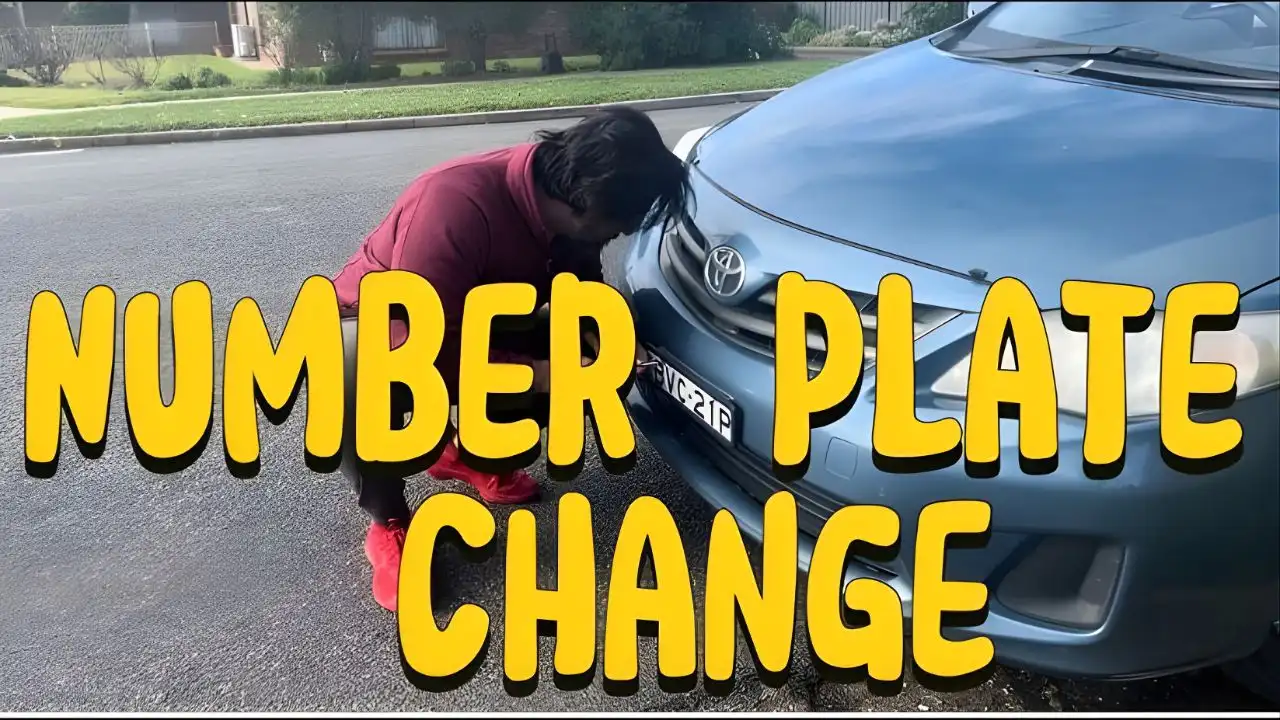
South Africa’s drivers are strictly warned that continued use of old or non-compliant number plates may result in imposition of fine, penalties, or prosecution, the implementation of regulation becoming fully operational in 2026. Following years of enforcement in phases, authorities state that compliance with the revised number plate standards is no longer an option.
Home>Not so Long Ago, Legal Old Number Plates
The Department of Transport has been making stringent laws for number plates as a way of encouraging greater safety on the road, dealing with vehicle crime at the outset of its creation, while posing a far greater challenge to enforcement agencies. Any plates that do not conform to today’s standards of clarity, durability, and tracking features simply make it much easier for criminals and criminals to cover and drive away with vehicles. Hence, those plates are seen to be non-compliant.
What Makes a Number Plate Non-Compliant
Plating might be against the laws if they were unreadable, mangled, incorrectly spaced, altered, or devoid of officially approved markings. Any plate that flaunts the officially approved font, size, or layout regulations is illegal. In many cases, drivers do not know that plates given to them a few years ago might no more comply with the current standards and may hence expose them to jeopardy during routine traffic stops or roadblocks.
Penalties a Motorist May face
Motorists taken in the act of driving with number plates that are outdated and illegal stand to be issued on-the-spot fines, notices to examine their cars, and at the same time to be given time limits to replace the plates. For purposes of vehicle registration, conditions may go as far as those of prosecution, with vehicles being impounded or resulting in the denial of renewal of the car owner’s driver’s licence due to persistently defying traffic laws.
Increased Roadblocks and Inspections in 2026.
In 2026, confirmatory authorities have stated that they are stepping up roadside reviews, especially during festive seasons and weekends with heavy traffic. Enforcement officers are being trained to effectively spot non-compliant plates, and this means that more points shall now lead to stopping and fines for motors than before.
What the Driver Should Do
Owners of vehicles are encouraged to keenly examine existing number plates to see if they meet the current legal requirements. If there is any doubt, plates should not be changed by law through licensed approved manufacturers. Compliance now may save on fines, delays, and legal complications later.
Last Cautions for Drivers
The authorities have categorically stated that responsibility rests on the owner of the vehicle and not with the manufacturers or sellers of the plates. Depending on state and local goals and feelings, motorists everywhere that are working with anything other than a current plate are urged to take appropriate homegrown action.